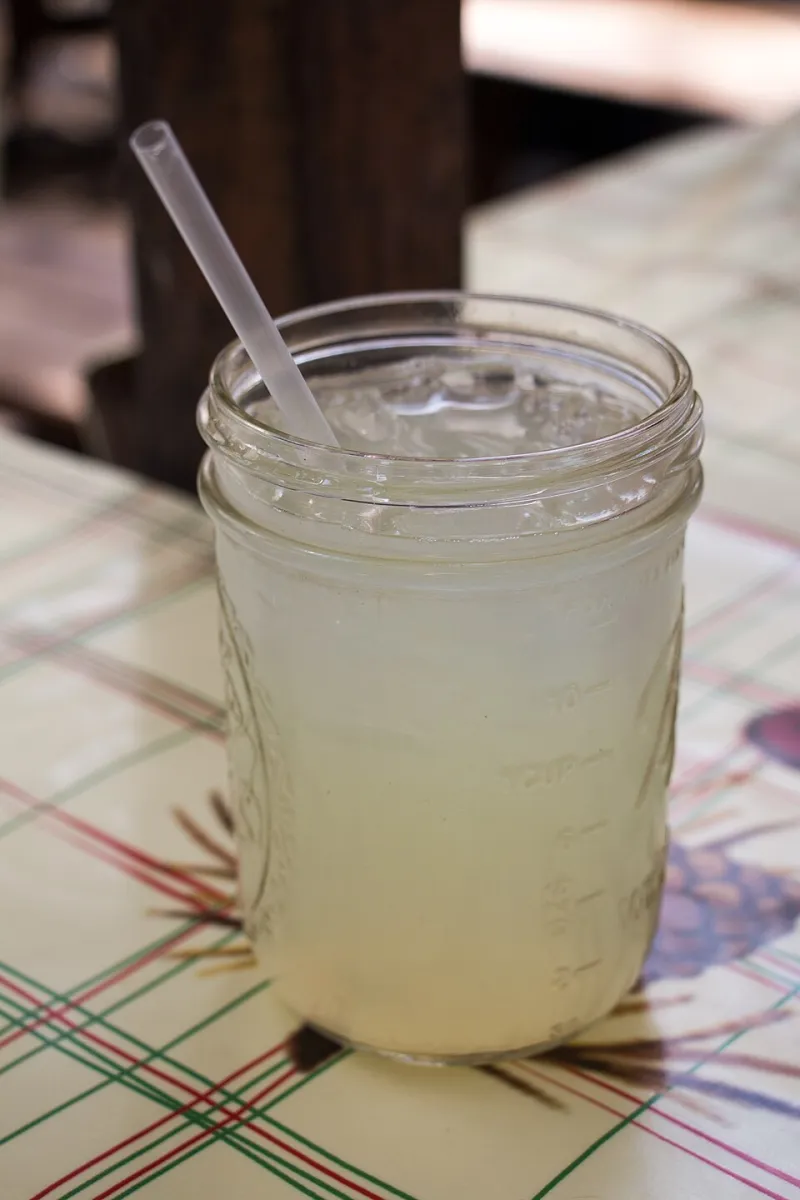
Beyond the Yellow Lemon: A Stateside Shopper's Field Guide to Yuzu, Sudachi, and Kabosu
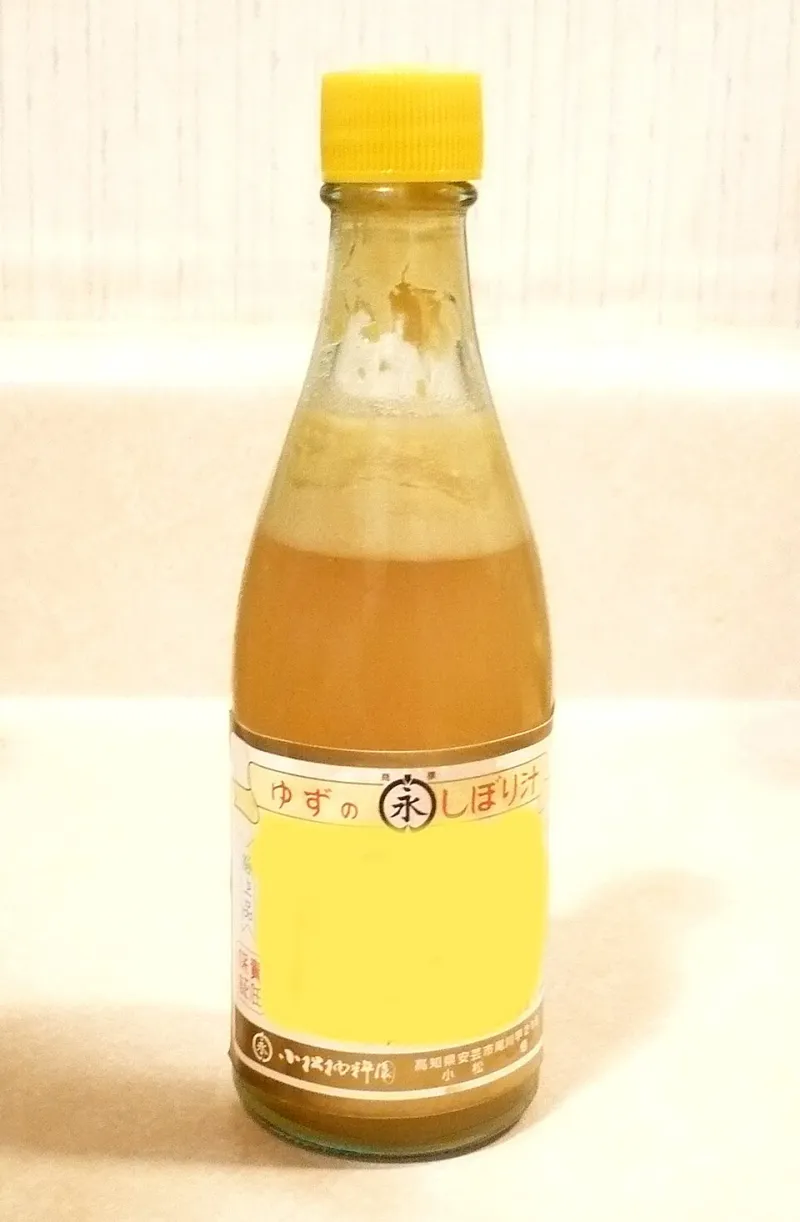
Photo: Badagnani (talk), CC BY-SA 3.0, via Wikimedia Commons
Most American lemonade is built on one fruit and one idea: Eureka or Lisbon lemon, sugar, water. It works. But wander through a Japanese grocery in winter, or read the drink menu at a cafe in Himeji, and you notice that lemon is only one voice in a much bigger choir.
Yuzu gets the press. Sudachi and kabosu deserve better. Below is a shopper's version of the tour, written for someone standing in a store aisle with a phone in one hand.
Three citrus, three personalities
Yuzu is the famous one, and the reputation is earned. The juice is sharply tart but the aroma is what people remember — flowers, a little pine, a hint of mandarin peel. Yuzu peel carries a bitterness that is pleasant in small doses and overwhelming in large ones. In Japan it signals winter: a wedge in hot tea, a slice in a bowl of noodles, a splash in a highball.
Sudachi comes largely from Tokushima and looks like a small, hard, very green lime. It is the most aggressive of the three, high in acid, with a green-herbal, almost grassy top note. Think lime that went to a stricter school. A little goes a long way in a cold drink.
Kabosu is the Oita specialty, rounder and softer-edged, with a floral quality and slightly gentler acidity. If you like Meyer lemon but wish it had more backbone, kabosu is your fruit.
What you can actually buy in the US
Fresh fruit is a winter thing, roughly November through January. Look at Japanese and pan-Asian grocers — Mitsuwa, Nijiya, H Mart, 99 Ranch — and at farmers markets in California and the Pacific Northwest. Fresh yuzu is usually sold by the piece and priced accordingly. Fresh sudachi and kabosu are rare; when they appear, buy them without hesitation.
Frozen juice or puree is the most reliable route and the best value. A frozen pack of yuzu juice keeps for months in the freezer and gives you consistent acidity. Thaw only what you need; refreezing dulls the aroma.
Bottled juice is everywhere online now, and quality varies wildly. Read the label: you want 100 percent citrus juice, not a sweetened yuzu-flavored beverage. If sodium appears high on the nutrition panel, the bottle may be salted, which will wreck a lemonade.
Skip these for drinks: yuzu kosho (chili and salt), ponzu (soy and vinegar), and most yuzu marmalades unless you plan to build the whole recipe around them.
Reading the label like a regular
Three quick checks before you commit:
- Percentage of juice. Anything under 100 percent is a blend, often with added citric acid and sugar.
- Sodium. Salted citrus is a seasoning product, not a beverage base.
- Ingredients list length. Juice and maybe peel. That is the whole list.
If the bottle has been open in your fridge since a previous administration, taste it first. Citrus juice oxidizes and turns flat and slightly bitter.
Ratios that keep a glass balanced
The classic Japanese-style structure is one part juice, one part syrup, and four to five parts cold water or seltzer. Because these fruits are more aromatic and, in sudachi's case, more acidic, lean toward the higher water figure first and adjust.
| Fruit | Juice | Simple syrup | Water or soda | Notes |
|---|---|---|---|---|
| Yuzu | 1 oz | 1 oz | 5 oz | Add a thin strip of peel for aroma |
| Sudachi | 0.75 oz | 1 oz | 5 oz | Sharpest; taste before adding more |
| Kabosu | 1 oz | 0.9 oz | 4.5 oz | Softer; plays well with honey |
Use fresh lemon juice as the control glass. If your Japanese citrus version tastes muddy next to it, you have probably over-sweetened rather than under-acidified.
Substitutions when the shelf is bare
No fresh yuzu in July? Combine two parts lemon juice with one part lime juice and muddle a small piece of orange peel into the syrup. It is not yuzu, but it lands in the same neighborhood.
For sudachi, use lime juice with a single basil or shiso leaf steeped briefly in the syrup. For kabosu, a Meyer lemon with a squeeze of regular lemon gets close enough for a weeknight.
A few honest caveats. Bottled juice loses the aromatic top note that makes yuzu worth the money, so do not expect a frozen-puree drink and a bottled-juice drink to taste identical. Peel-based recipes are more sensitive to bitterness than juice-based ones. And acid levels shift with ripeness, so taste every batch before you commit the whole pitcher.
Three glasses to start with
Yuzu and honey, served cold. Two ounces yuzu juice, one and a half ounces honey syrup, six ounces cold water, plenty of ice. A winter drink that works in July.
Sudachi soda with cucumber. One ounce sudachi juice, one ounce syrup, five ounces seltzer, three thin cucumber slices. Bracing and very green.
Kabosu and grapefruit. One ounce kabosu, two ounces fresh grapefruit juice, one ounce syrup, four ounces seltzer. Soft, floral, and the easiest sell for a skeptical guest.
The short version
Buy frozen yuzu juice first. Buy fresh yuzu when winter puts it in front of you. Treat sudachi like a seasoning and kabosu like a friend. Keep the syrup light, taste as you go, and remember that the point of all three fruits is aroma, not just sourness — so use them somewhere the smell can reach you before the first sip does.