The Ice That Stays Out of the Way: Freezing Techniques from Japanese Lemonade Counters

Photo: ESO/King & Fletcher, CC BY 4.0, via Wikimedia Commons
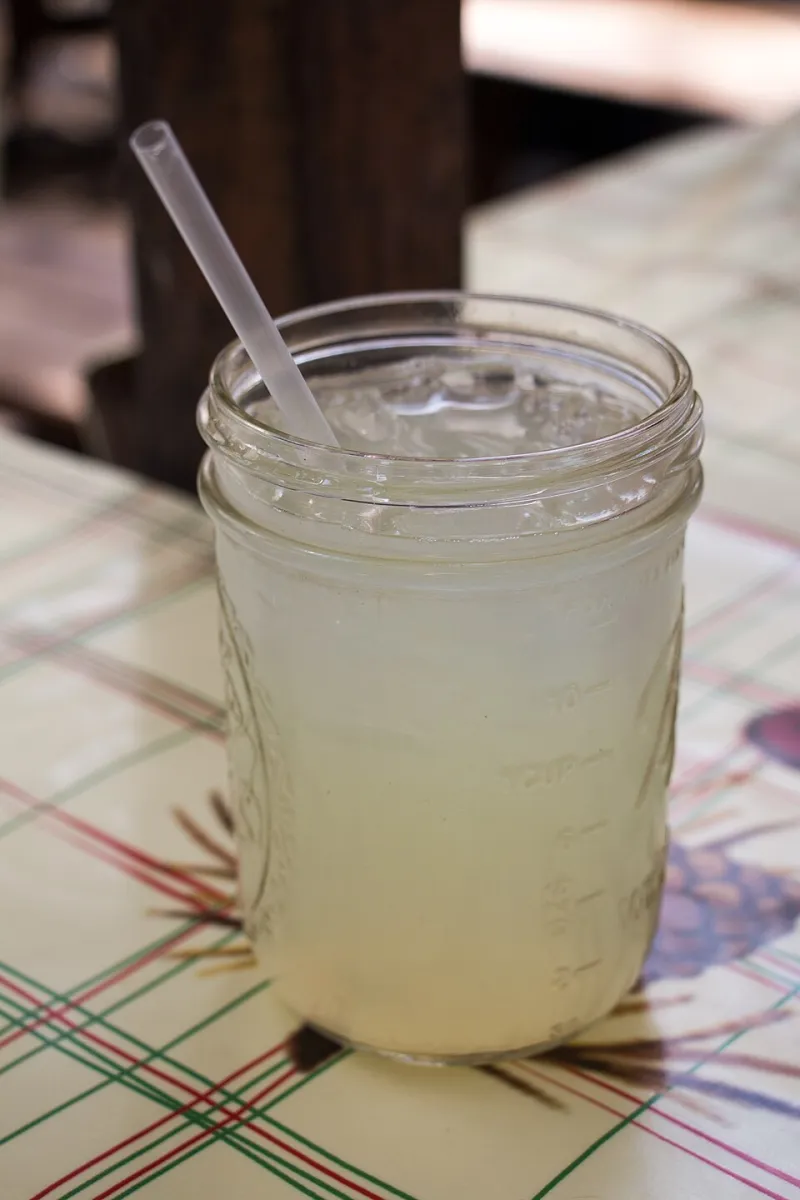
Walk into a small kissaten near Himeji Castle in August and the lemonade is rarely complicated: lemon, sugar, water, ice. The ice, though, is almost always the showpiece — one big, transparent sphere sitting in the glass like a paperweight, melting so slowly you forget it is there.
That is not decoration for its own sake. It is a solution to a problem every home drinker in the US knows well: the second half of a good glass of lemonade is usually a sad, watery version of the first half.
Why ordinary ice ruins a good pour
A standard tray cube holds about one fluid ounce of water. Drop four of them into a 12-ounce glass and you have essentially pre-loaded a third of your drink with future tap water. The flavor curve of that glass is a downhill slope.
There is a second issue. Cubes from a frost-free freezer are cloudy, and that cloudiness is trapped air and dissolved minerals. Air pockets make ice melt faster and fracture along weak seams, so you get a quick, cold, wet dump right when you want the drink at its sharpest.
Japanese cafe ice addresses both problems at once: it is purified of air, it is formed in one large mass, and it is often pre-chilled so it does not shock the drink.
Clear ice without the gadget aisle
You do not need a $200 clear-ice press. The technique is called directional freezing, and it works in an ordinary freezer.
- Boil filtered water, then let it cool to room temperature. Boiling drives off some dissolved gas.
- Pour it into a small insulated cooler or a silicone mold set inside a cooler with the lid off.
- Freeze for 18 to 24 hours. Because the cold enters from one direction, impurities and bubbles get pushed to the bottom layer.
- Let the block temper for five minutes, then carve spheres with a serrated knife or break it into chunky slabs and knock off the cloudy base.
Clear ice melts more slowly because it is denser and has fewer air channels for meltwater to travel through. It also looks like something you would pay for.
The citrus-cube workaround
If carving ice sounds like a craft project you will never finish, freeze flavor instead. This is the most practical trick in the whole Japanese lemonade playbook.
- Straight lemon cubes: freeze fresh lemon juice in a standard tray. Use them in sparkling water for an instant, unsweetened lemon soda.
- Half-strength cubes: mix equal parts lemon juice and water before freezing. Drop these into lemonade and the melt actually re-lemons the glass rather than thinning it.
- Syrup cubes: freeze your simple syrup in small cubes so sweetness arrives as the drink dilutes. Works beautifully with herbal lemonades.
One caution: citrus cubes need a dedicated tray or a very good wash. Nobody wants lemon-scented ice in their iced coffee.
The chilled-glass ritual
Japanese cafes tend to serve cold drinks in glasses that have spent ten minutes in the freezer. It sounds fussy; it changes the experience. A pre-chilled glass means the ice has less work to do, so it survives longer.
At home, put your glass in the freezer while you assemble the drink. If you forgot, a two-minute bath in ice water with a spoonful of salt gets you most of the way there — the same salt trick that makes a lemonade glass feel colder than it is.
Test kitchen notes
We ran three loose comparisons over a week of warm afternoons.
Tap cubes vs. one clear sphere. The sphere version was still pleasantly cold and only lightly diluted at the 30-minute mark. The tray-cube glass had gone flat and thin by then, and the lemon aroma was gone.
Lemonade cubes in sparkling water. Freezing full-strength lemonade and pouring seltzer over it produced the single best low-effort drink of the test — sharp, fizzy, and it got better as the cubes melted.
Frozen glass, no other changes. Same recipe, same ice. The chilled glass held its chill noticeably longer, and the first sip tasted brighter, which is probably just because it was colder, but we will take it.
A make-ahead plan that actually fits a week
- Sunday: freeze a clear block in the cooler; carve and bag spheres the next evening.
- Sunday, same session: freeze one tray of half-strength lemon cubes and one tray of syrup cubes.
- Whenever: batch simple syrup (equal weights sugar and hot water, stir until clear) and keep it in the fridge for two weeks.
- Daily: 2 ounces fresh lemon juice, 2 ounces syrup, 6 to 8 ounces cold water, one large cube or a handful of citrus cubes.
The last-sip standard
Judge your next lemonade by its final ounce. If it still tastes like lemonade — tart, a little sweet, unmistakably citrus — your ice is doing its job. If it tastes like a memory of lemonade, go back and try the cubes. It is the cheapest upgrade in the kitchen, and it costs nothing but a Sunday evening.