A Pinch Before You Pour: The Salt-in-the-Glass Trick Behind Himeji Lemonade
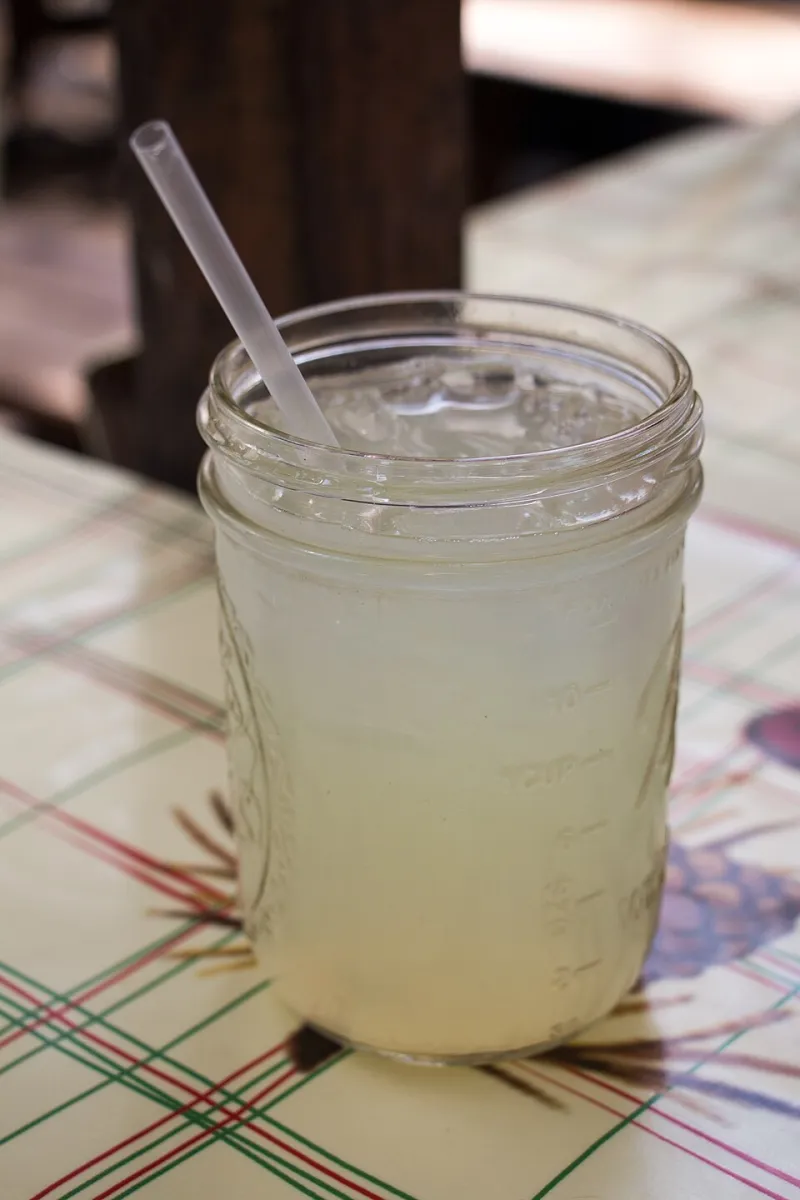
Photo: HarshLight, CC BY 2.0, via Wikimedia Commons
Order a lemonade at a cafe in Himeji and there is a decent chance it arrives with something extra: a small dish of salt, or a whisper of it already stirred into the glass. Not a crusted margarita rim. Not a savory stunt. Just enough salt that the lemon starts tasting more like lemon and the honey starts tasting more like honey.
That is the entire trick, and it is worth learning before the holidays. It costs nothing, it takes four seconds, and it will make the pitcher you set out in December 2026 taste like it came from a cafe with better glassware than yours.
Why a Pinch Works Without Making Anything Salty
Salt at low levels does two useful things in a sweet-sour drink. First, sodium ions blunt our perception of bitterness, which is the flavor that makes citrus juice taste harsh when it is squeezed too far ahead of time or when the pith comes along for the ride. Second, a very small amount of salt makes sweetness read as rounder and more present, so honey does not have to carry the whole glass on its back.
The operative phrase is 'very small amount.' Think 0.1 to 0.2 percent salt by weight. In an eight-ounce glass, that is roughly a sixteenth of a teaspoon, or the pinch you can hold between your thumb and first two fingers. Go past that and you have made a sports drink. Stay under it and you have made something that tastes expensive.
The same logic explains why a squeeze of lemon wakes up a bowl of soup and why a pinch of salt improves a melon. Salt is not a flavor here so much as a volume knob.
How It Shows Up in Himeji Cafe Service
Honesty first: this is a cafe habit, not a codified tradition with a rulebook. You will find it in some shops and not others. What it usually looks like is unglamorous and very practical.
The glass is chilled, often with one large clear cube rather than a scoop of small ones, so the drink dilutes slowly. Honey, loosened into a syrup, is stirred in at the table or just before service rather than dumped in cold and left to sulk at the bottom. The salt arrives in a tiny ceramic dish, sometimes with a small wooden spoon, and the customer decides. Some places salt only half the rim so you can choose your own adventure mid-glass.
What ties the ritual together is restraint. Nothing is layered, nothing is garnished to the ceiling. A lemon slice, maybe a single mint leaf, a glass that has been wiped of fingerprints. The point of the salt dish is the same as the point of the short menu: it hands the last adjustment to the person drinking.
The Formula: Yuzu-Honey Lemonade in Tablespoons
This makes one eight-ounce serving, no scale required.
- 1 tablespoon fresh lemon juice
- 1 tablespoon bottled yuzu juice (see swaps below)
- 1 tablespoon honey syrup (equal parts honey and hot water, stirred until dissolved, then cooled)
- 1/16 teaspoon fine sea salt, or one generous three-finger pinch
- 6 ounces cold sparkling water
- Ice, and a lemon wheel
Stir the lemon juice, yuzu, honey syrup, and salt together in the bottom of the glass until the salt disappears completely. This matters. Undissolved salt hitting your tongue is a different and much worse drink. Add ice, pour the sparkling water down the side of the glass, and give it one slow turn with a spoon rather than a vigorous stir, which knocks the carbonation out.
Taste. If it reads sharp, add another drop of honey syrup. If it reads flat or dull, add a few more grains of salt before you add more sugar. That instinct, reaching for salt before sweetness, is the whole lesson.
US Supermarket Swaps That Actually Work
Yuzu. Bottled yuzu juice is stocked in the Asian aisle of most large US groceries and online. If you cannot find it, use two tablespoons of lemon juice plus one teaspoon of fresh ruby grapefruit juice, or lemon juice with a small strip of lime zest muddled in. It will not be yuzu, but it will have the floral edge that plain lemon lacks.
Honey. Clover honey is neutral and safe. Orange blossom pushes the citrus forward. Buckwheat is delicious on toast and far too loud in a cold drink.
Salt. Fine sea salt for stirring, because it dissolves. Flaky salt only for a partial rim, where you want crunch and not salinity.
Sparkling water. Anything unflavored. Check the label on club soda; some brands are noticeably saline, which stacks with your pinch.
A Two-Minute Test to Run Before Your Party
Make three small glasses. Leave one unsalted, add a pinch to the second, and a double pinch to the third. Taste them in order, then taste them out of order. Most people land on the middle glass and are surprised by how much sweeter it reads despite containing identical honey. Write down your preferred amount and tape it inside a cabinet door. Future you will not remember.
Scaling for the 2026 Holiday Table
For a pitcher serving six, multiply everything by six but hold back about a quarter of the salt, then adjust at the end. Carbonate at the last minute: pour the still base into the pitcher, keep the sparkling water separate, and top each glass individually. A pitcher of pre-mixed sparkling lemonade goes sad in about twenty minutes.
For a rim, rub a cut lemon wedge around one side of each glass and dip only that side into flaky salt on a small plate. Set out a little dish of salt alongside the pitcher, too, and tell guests what it is for. Half of them will ignore you and the other half will ask for the recipe.
It pairs best with food that is rich and salty: roast ham, fried chicken, a cheese board, anything with butter. That is not an accident. The glass is doing the same job a good pickle does, cutting through fat without adding weight.
Make one batch, taste it, salt it a little more, and taste it again. Then put the salt dish on the table and let everyone else decide.